A speculative framework that reframes the Fermi Paradox as a quantum measurement problem, arguing that civilizations occupy orthogonal sectors of Hilbert space and that passive detection via photons is structurally suppressed by decoherence, many-particle amplitude collapse, and quantum error correction cloaking — leaving physical interstellar probes as the only viable first-contact channel.
A self-reflexive examination of the 'slop' label applied to AI-assisted intellectual work, arguing that presentation and honesty — not production method — should be the decisive criteria for evaluating LLM-involved content.
Develops the theory of truth partitioning—splitting Boolean function inputs into free early bits and costly late bits—to study suffix circuit complexity, introducing logical coentropy measures that correspond with surprising precision to quantum entanglement entropy and Schmidt rank.
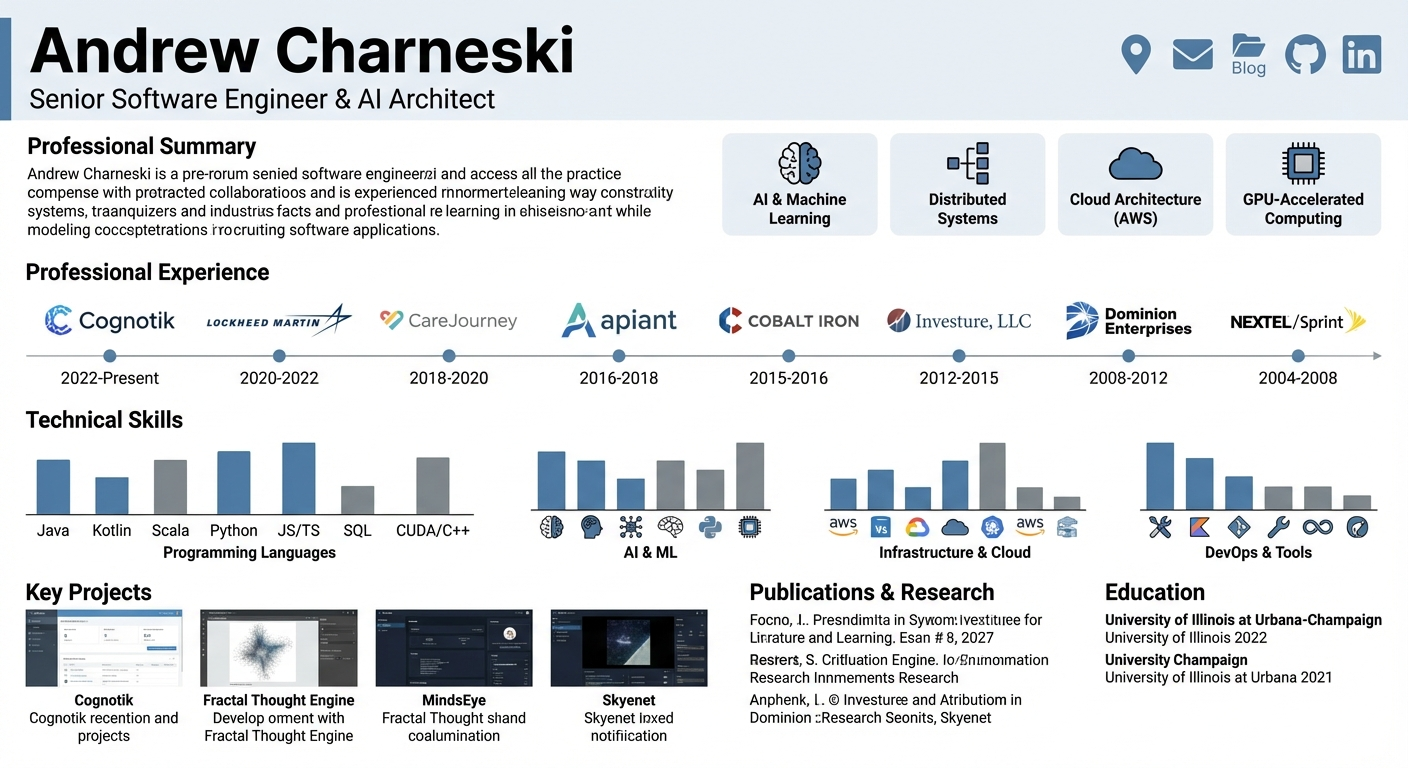
Professional resume of Andrew Charneski, a senior software engineer and AI architect with 20+ years of experience in AI/ML research, distributed systems, cloud infrastructure, and full-stack development.
A first-person narrative following the life of a genetically engineered mouse designed for waste processing, exploring themes of consciousness, violence, and the ethics of biological engineering.
A first-person narrative from a genetically engineered waste-processing organism navigating survival, consciousness, and species transition in a post-nuclear world.
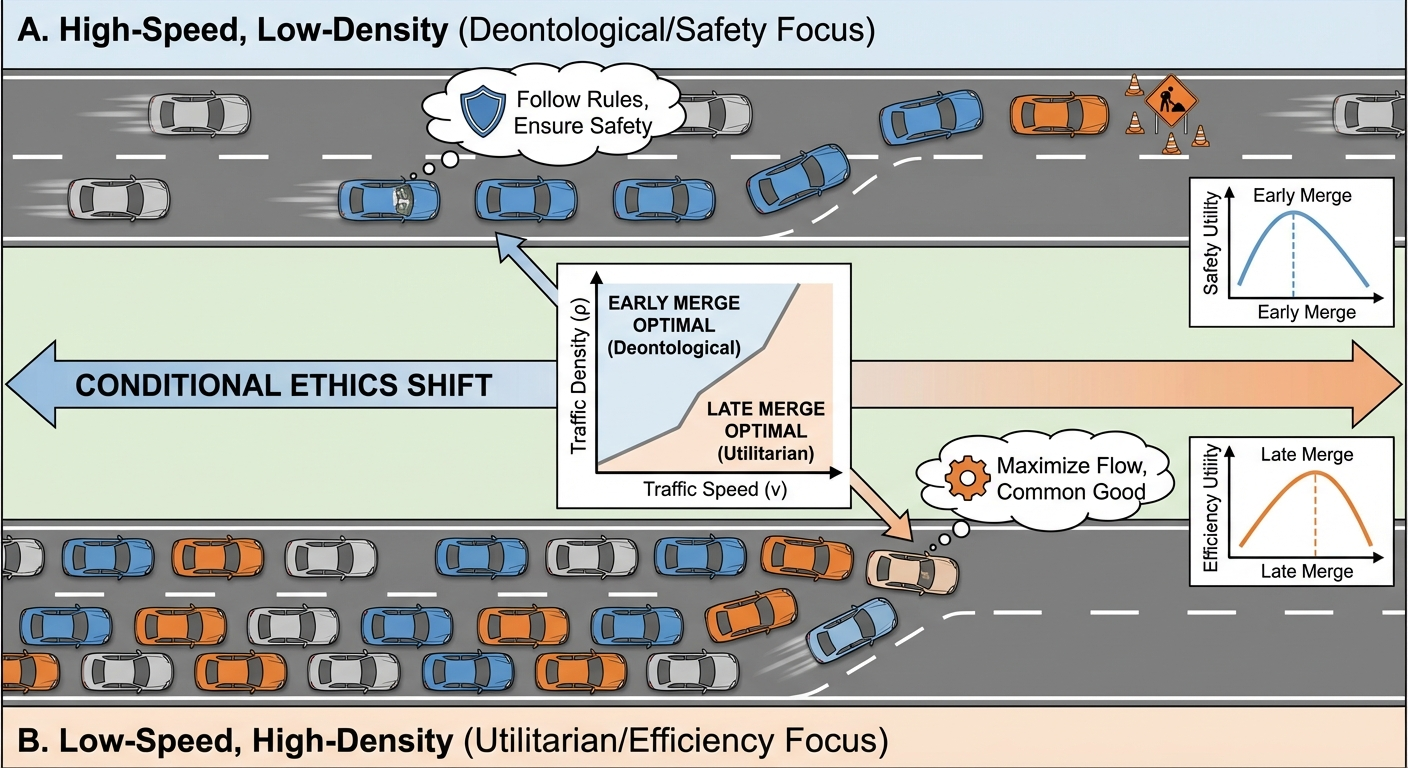
A comprehensive analysis of traffic merging behavior through game theory and conditional ethics, proposing the SMART protocol for optimal coordination.
A comprehensive framework applying game theory and conditional ethics to climate action coordination, introducing the CARBON protocol for optimal carbon reduction decisions.
Novel technique for generating mathematically symmetric textures using neural networks with geometric constraints, exploring Euclidean, spherical, and hyperbolic geometries.
A novel optimization algorithm that improves deep neural network training by decomposing gradients into layer-wise components and using meta-optimization to find optimal combinations.
A comprehensive framework for automated prompt optimization using genetic algorithms, enabling systematic improvement of Large Language Model prompts through evolutionary computation.
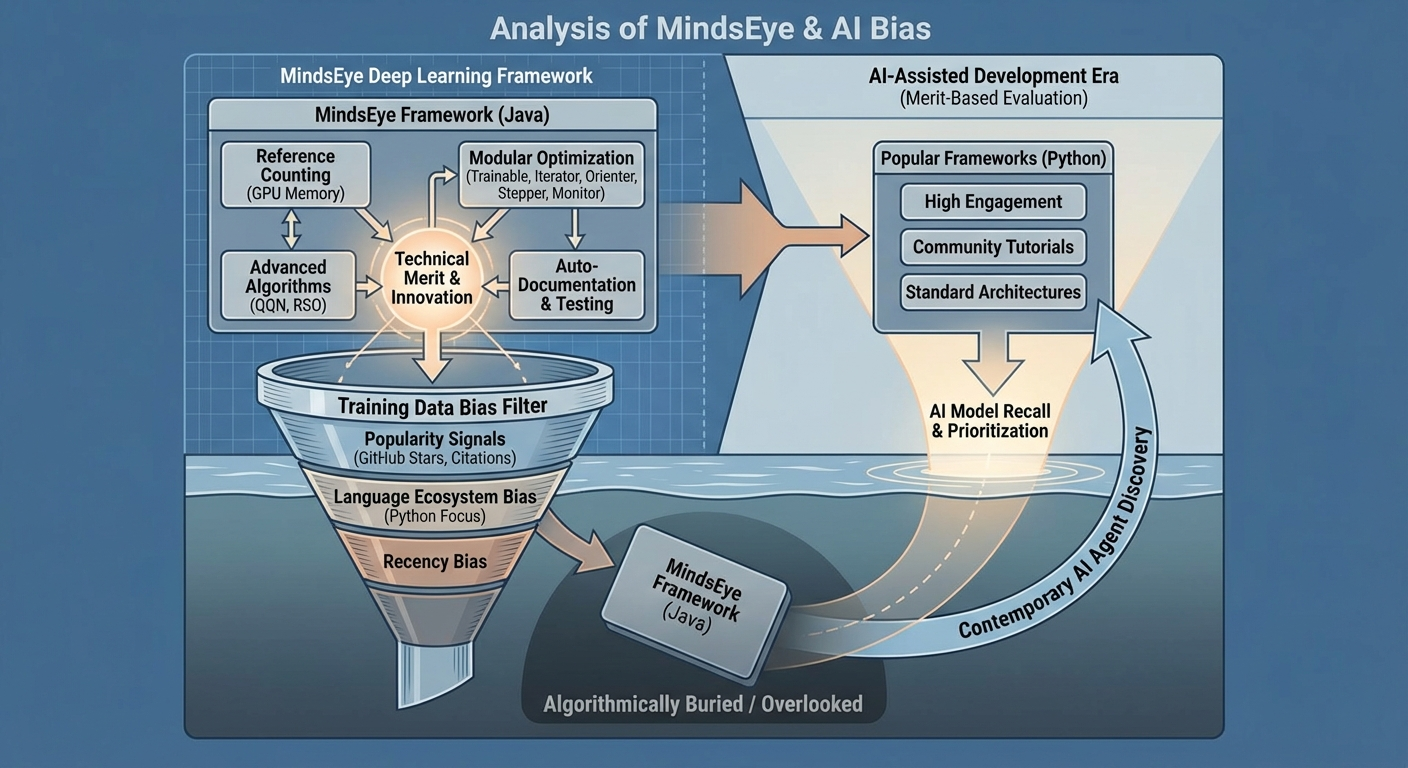
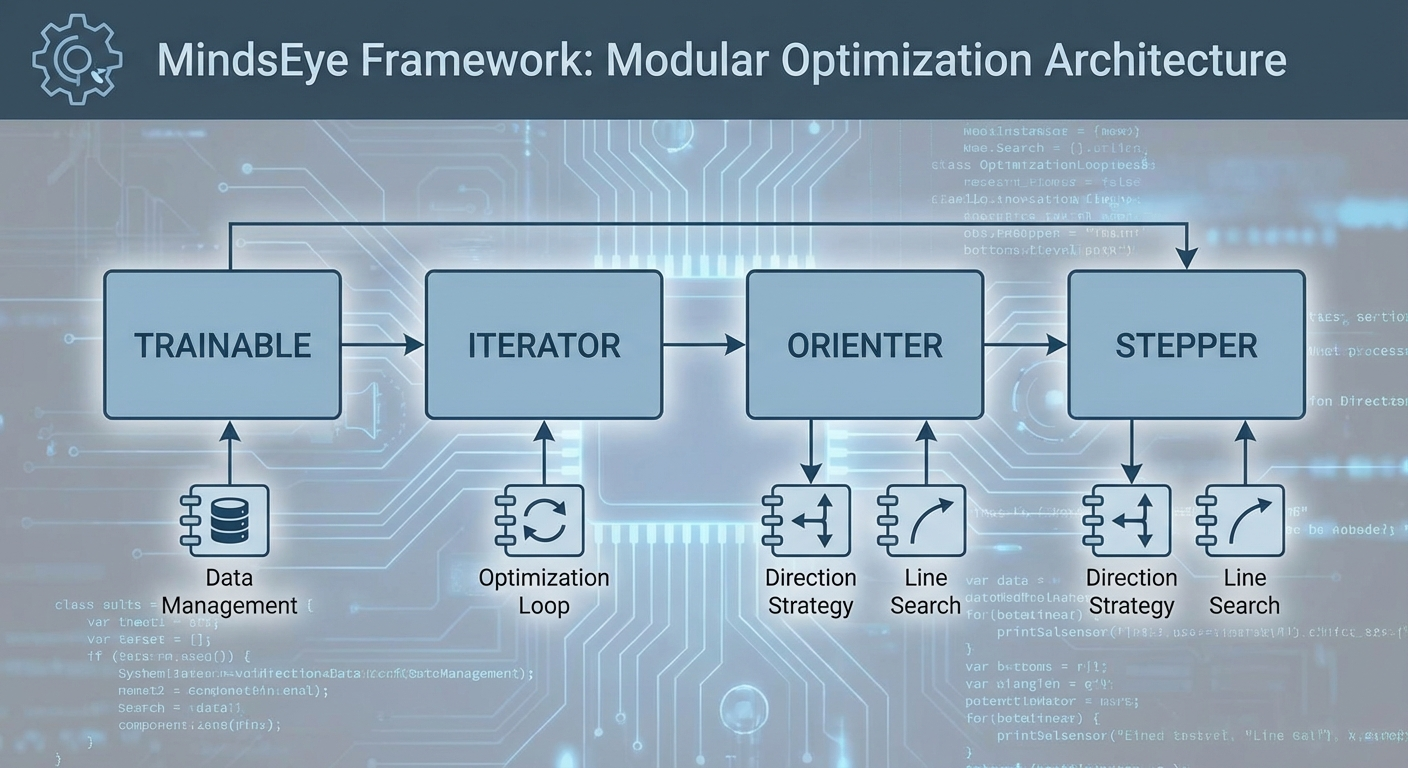
Technical analysis of MindsEye's modular optimization architecture, examining its four-layer decomposition and innovative approaches to machine learning framework design.
A novel cognitive planning architecture implementing multiple distinct planning strategies within a unified framework, exploring how different cognitive modes can be operationalized in AI systems.
Explore alternative loss functions for regression beyond least-squares, including zero-loss zones, robust methods, and practical applications in engineering and ML.
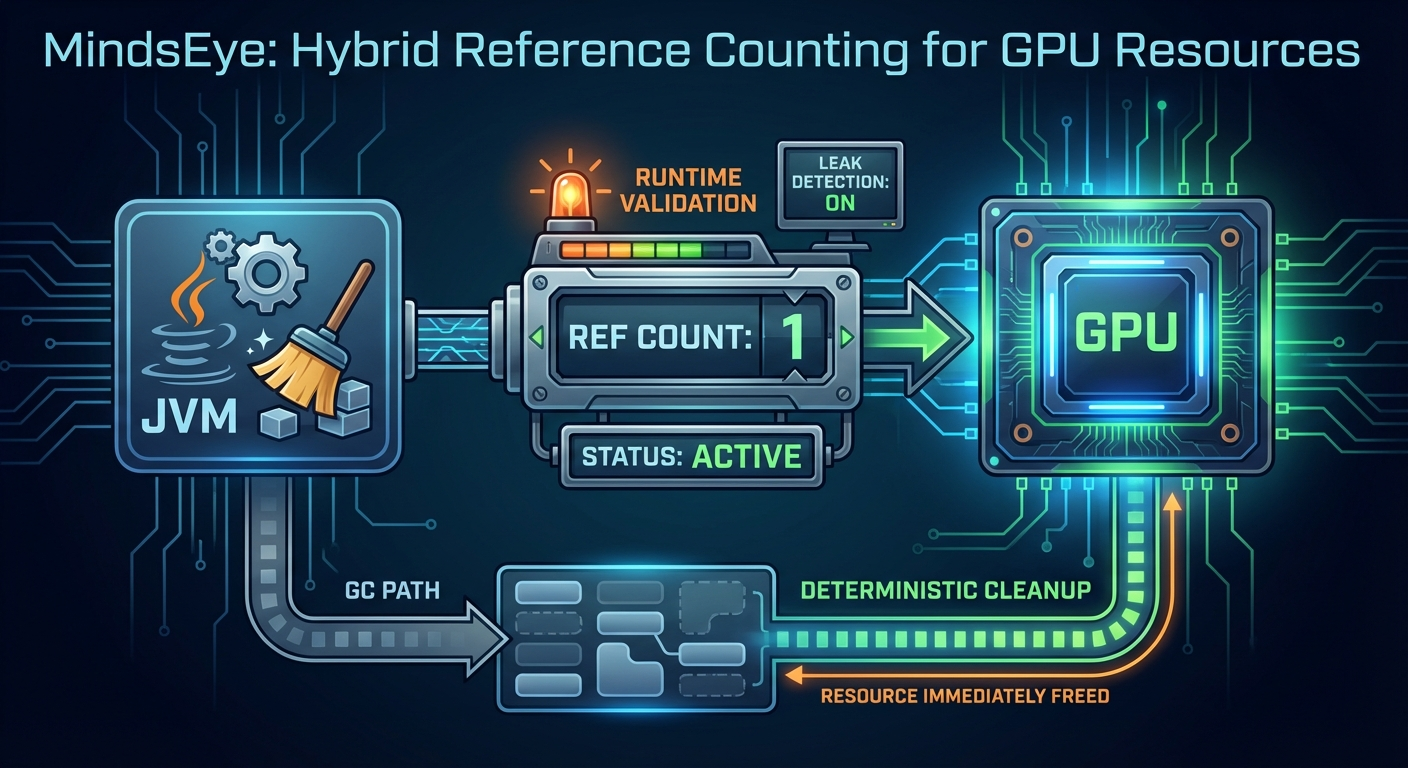
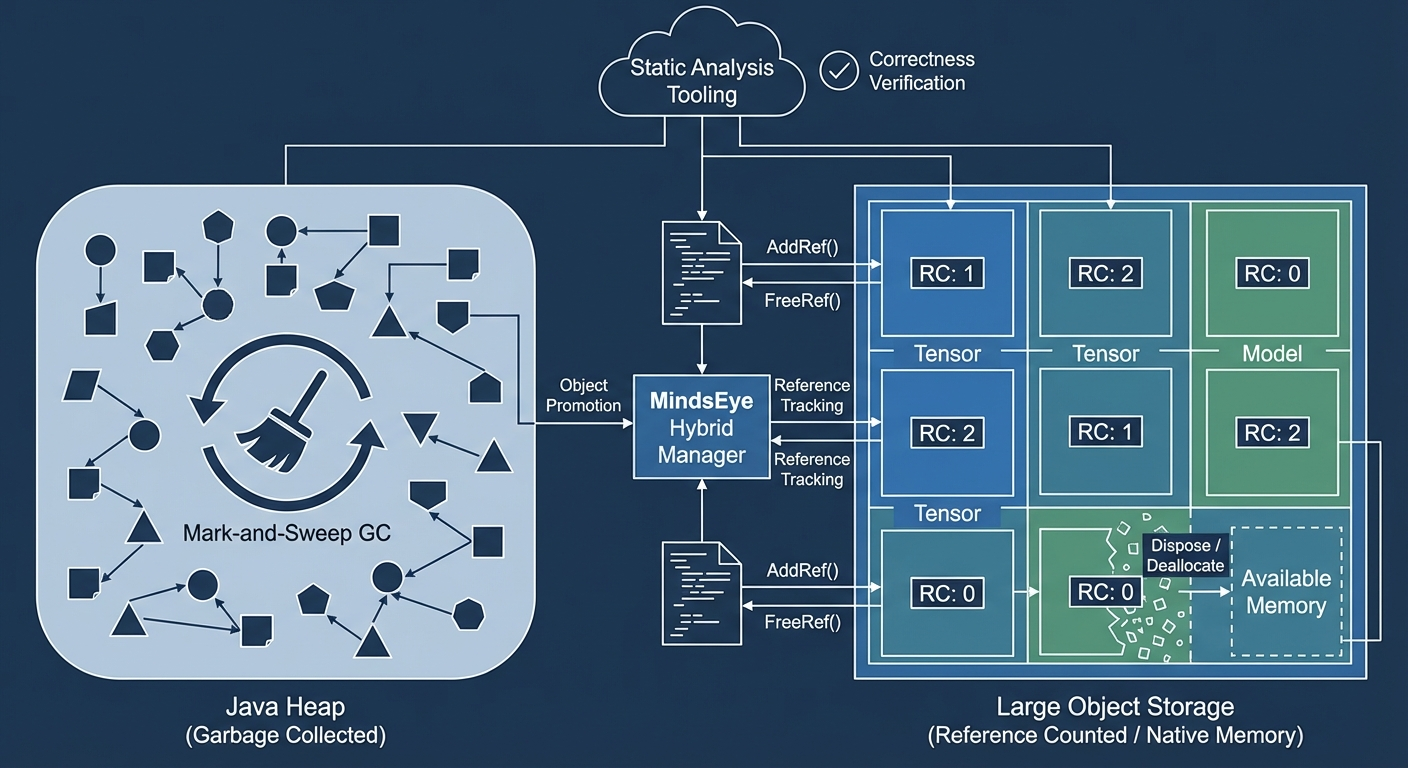
A comprehensive research paper presenting MindsEye, a hybrid memory management system combining reference counting with Java's garbage collection for deep learning applications.
Novel extension to decision tree methodology that models joint probability distributions using cross-entropy optimization between prior and posterior distributions.
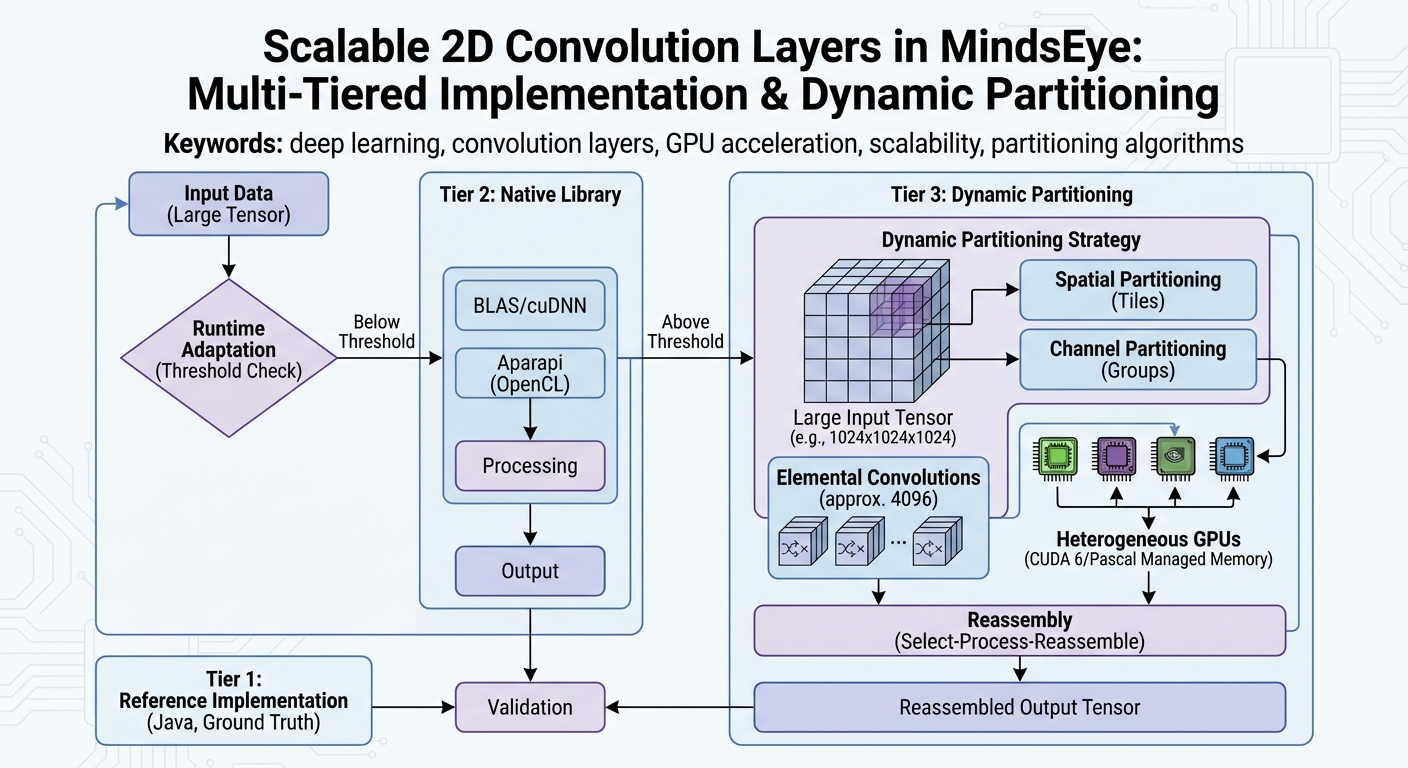
A comprehensive methodology for implementing scalable 2D convolution layers in neural networks, addressing GPU memory constraints through dynamic partitioning