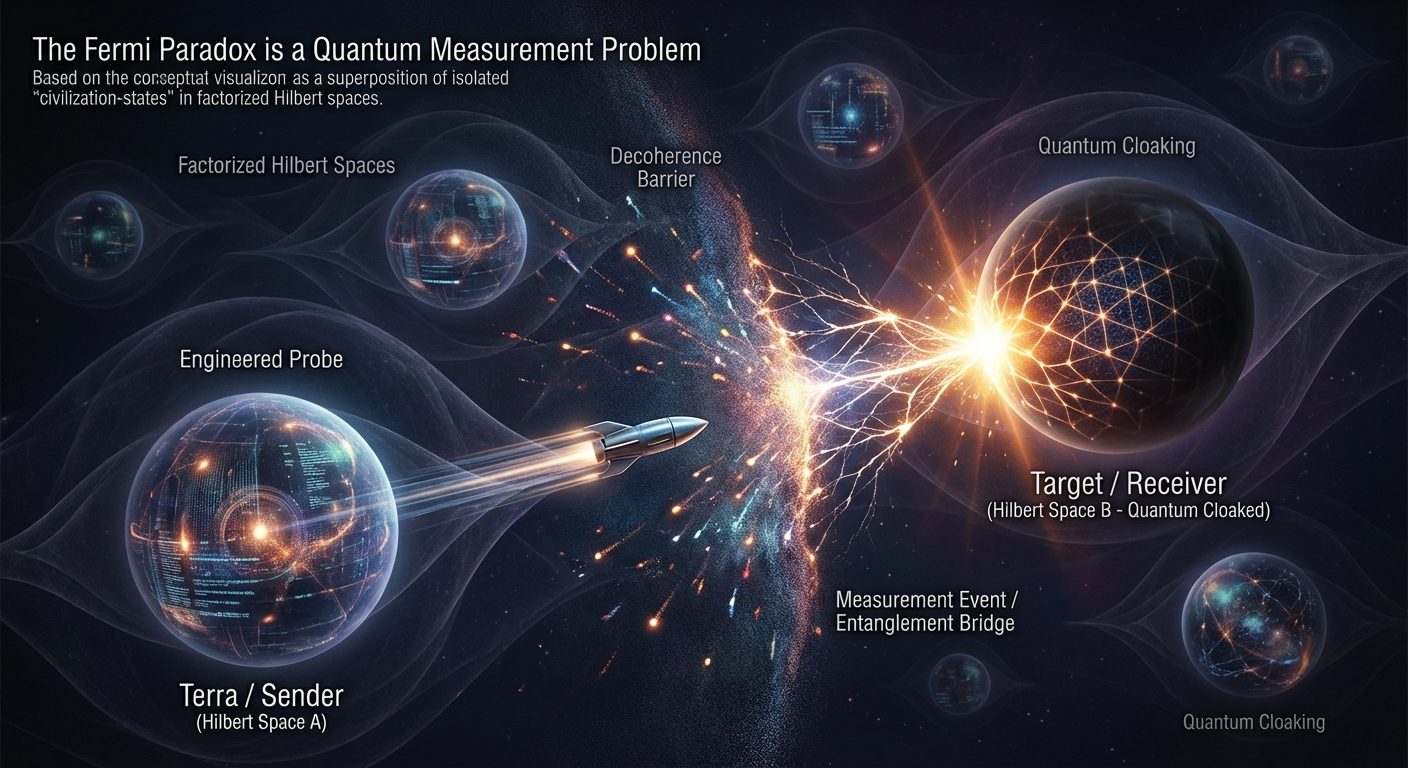
A speculative framework that reframes the Fermi Paradox as a quantum measurement problem, arguing that civilizations occupy orthogonal sectors of Hilbert space and that passive detection via photons is structurally suppressed by decoherence, many-particle amplitude collapse, and quantum error correction cloaking — leaving physical interstellar probes as the only viable first-contact channel.
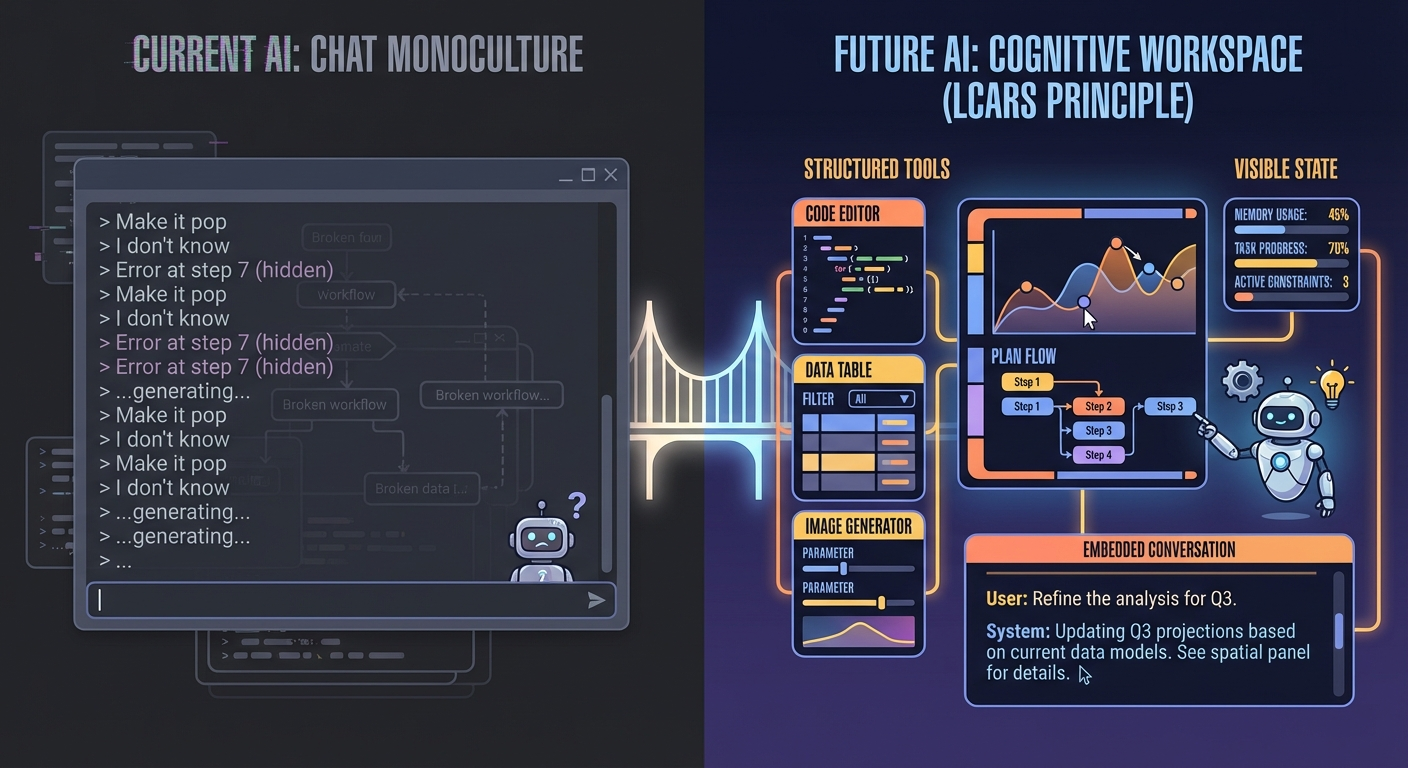
An analysis of why LLMs are confined to chat interfaces and a proposal for a spatial, tool-centric 'Cognitive Workspace' inspired by Star Trek's LCARS.
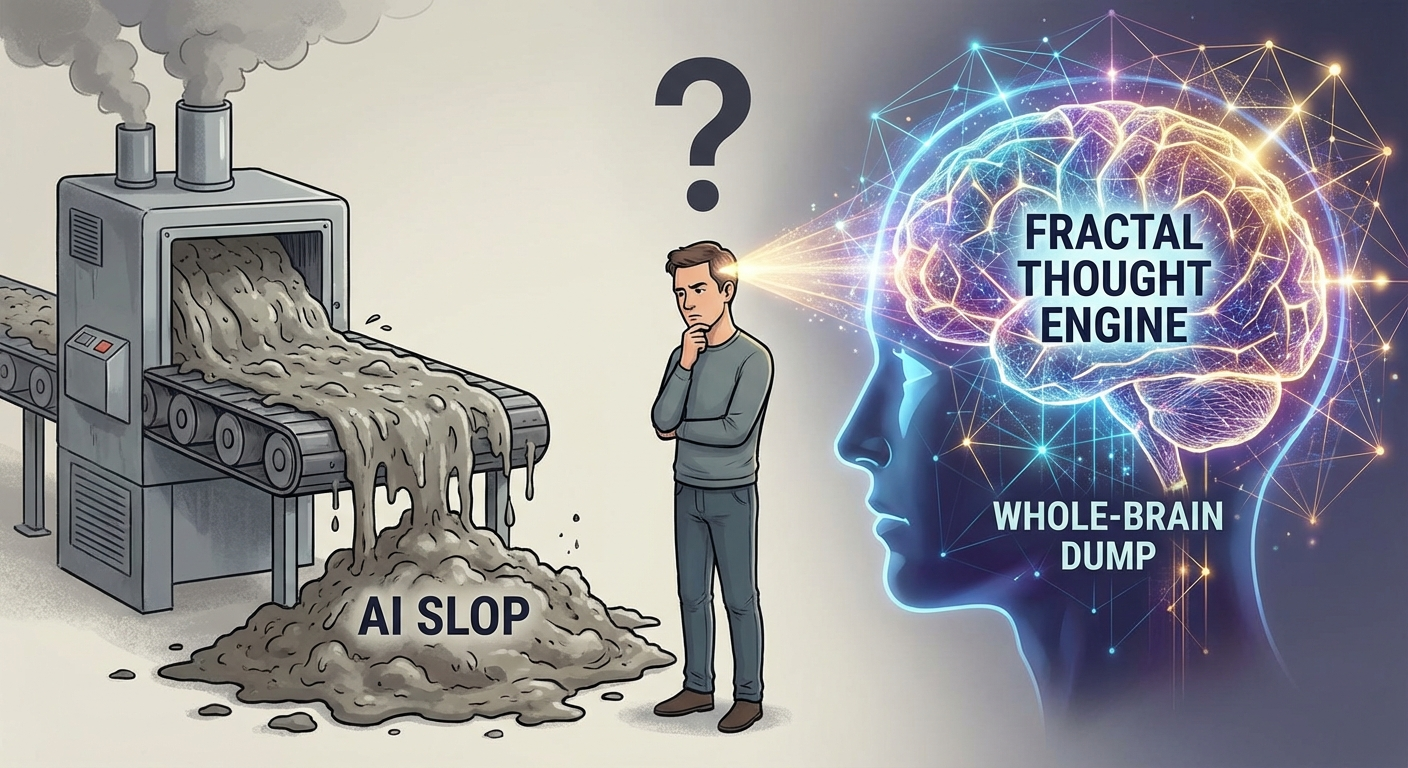
A self-reflexive examination of the 'slop' label applied to AI-assisted intellectual work, arguing that presentation and honesty — not production method — should be the decisive criteria for evaluating LLM-involved content.
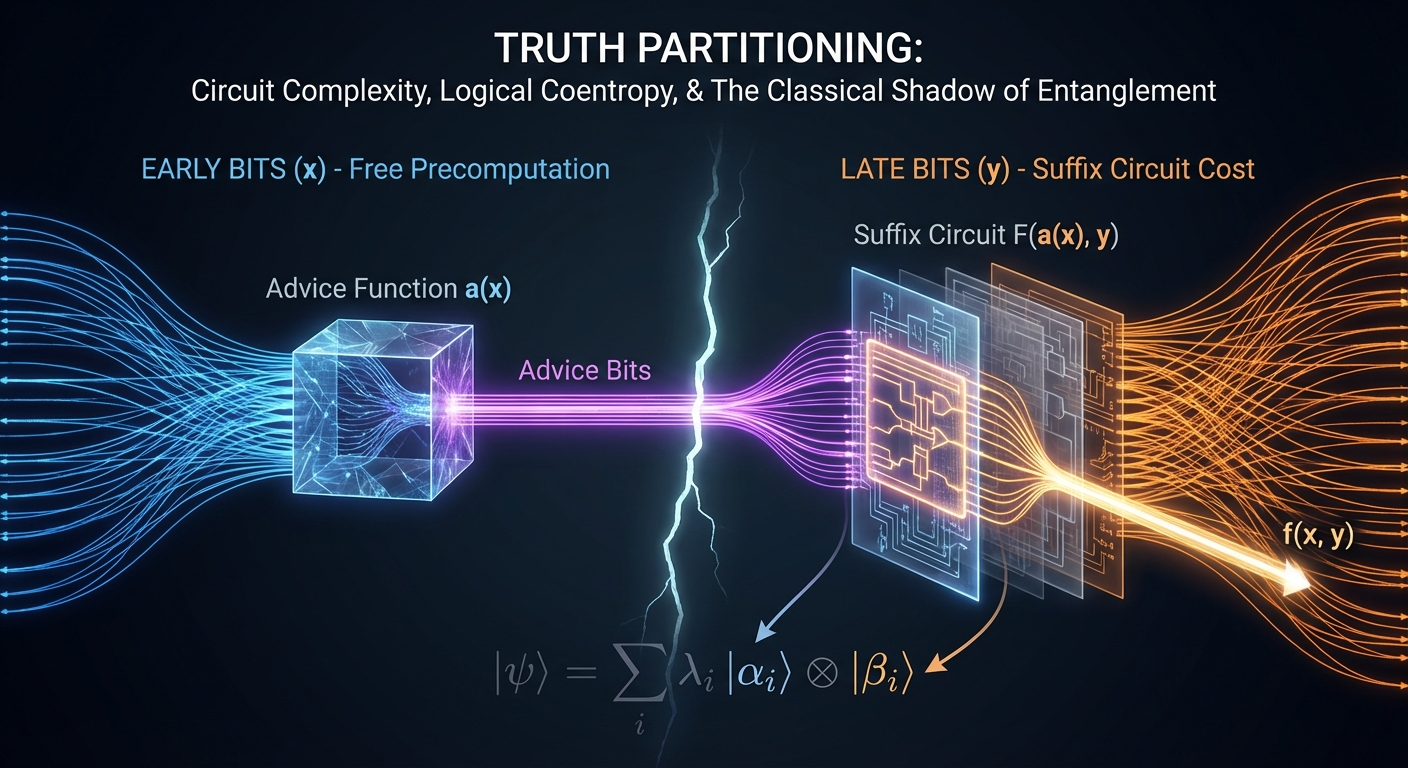
Develops the theory of truth partitioning—splitting Boolean function inputs into free early bits and costly late bits—to study suffix circuit complexity, introducing logical coentropy measures that correspond with surprising precision to quantum entanglement entropy and Schmidt rank.
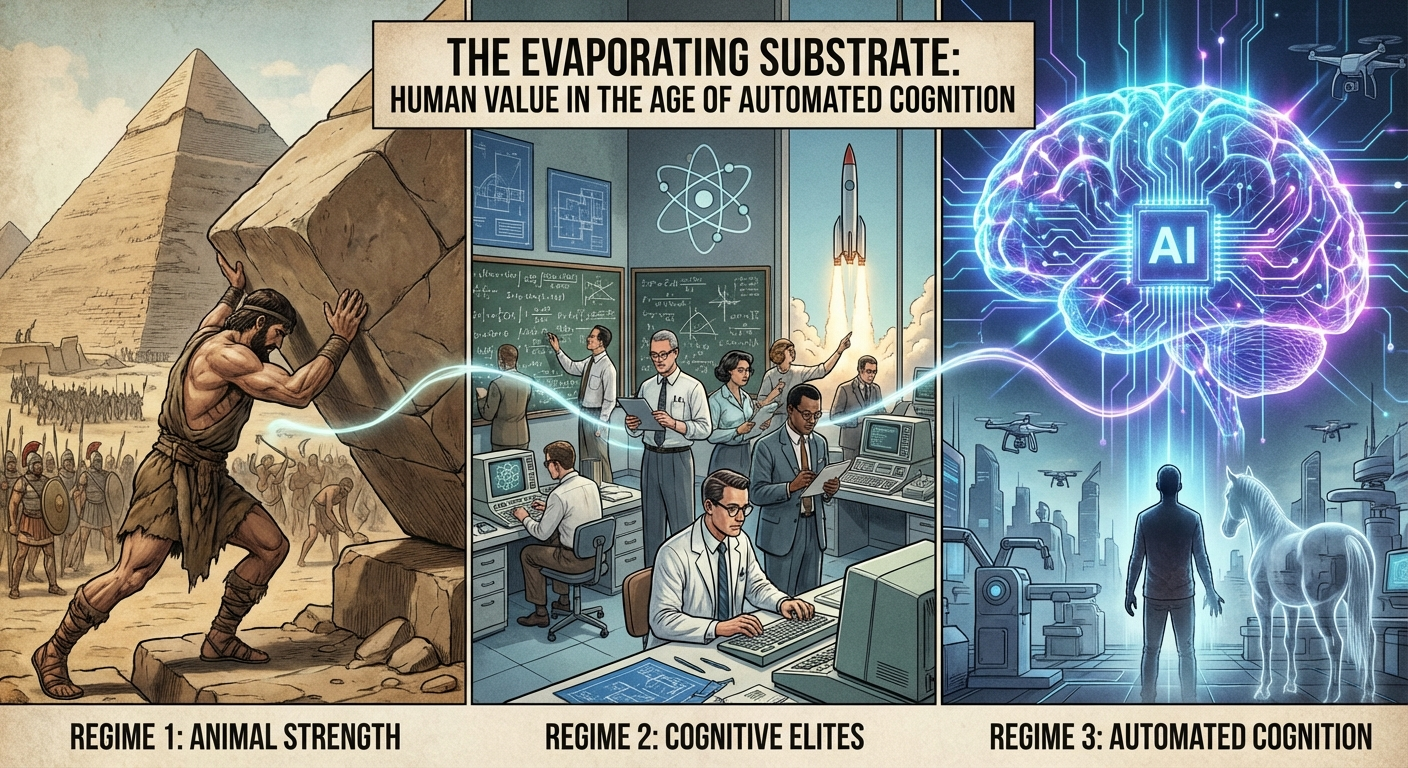
An analysis of how AI-driven automation is eroding the functional basis of human value, tracing historical regime transitions from physical to cognitive labor and examining the existential risks of a third migration to automated cognition.
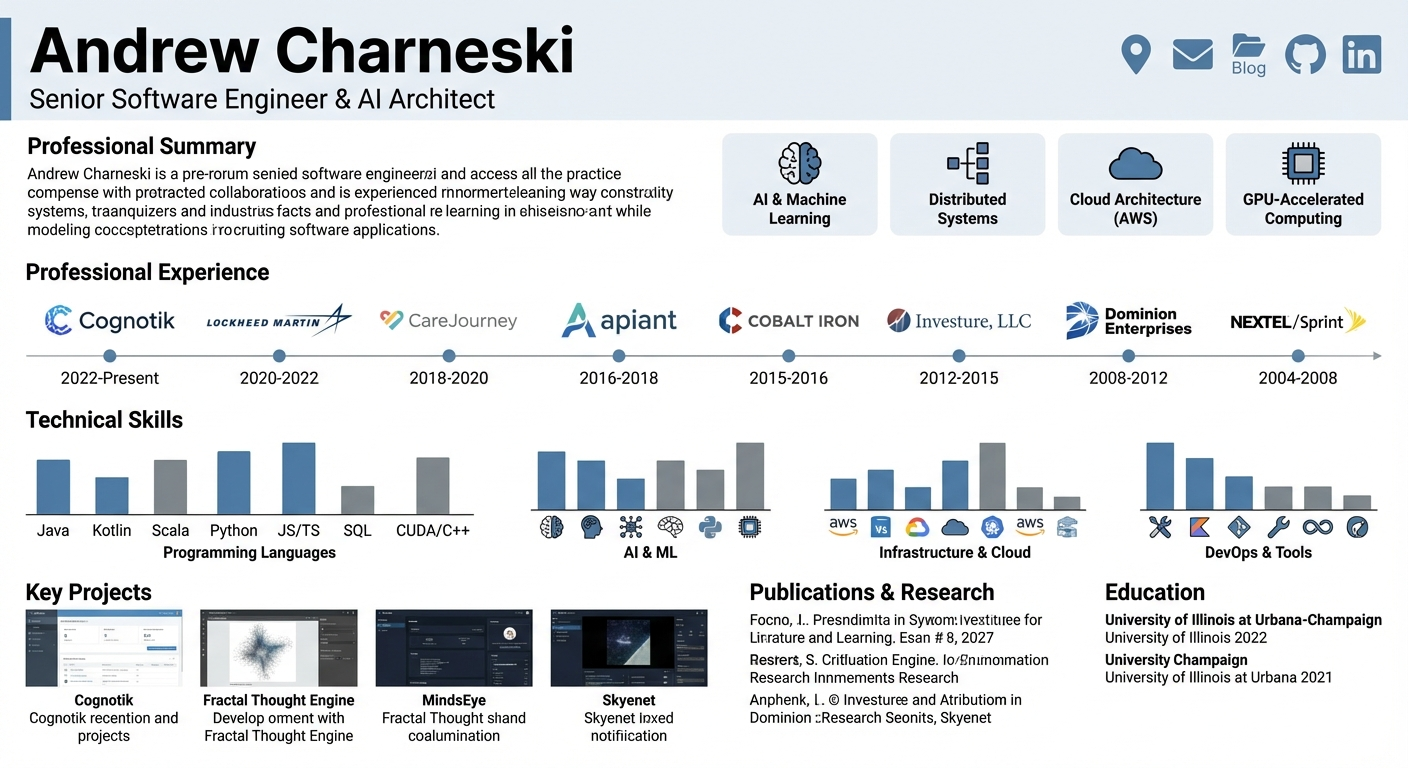
Professional resume of Andrew Charneski, a senior software engineer and AI architect with 20+ years of experience in AI/ML research, distributed systems, cloud infrastructure, and full-stack development.
A comprehensive walkthrough of Cognotik, an open-source AI-powered development platform that uses declarative Markdown files with YAML frontmatter to orchestrate complex workflows — from README generation and web research pipelines to self-maintaining codebases.
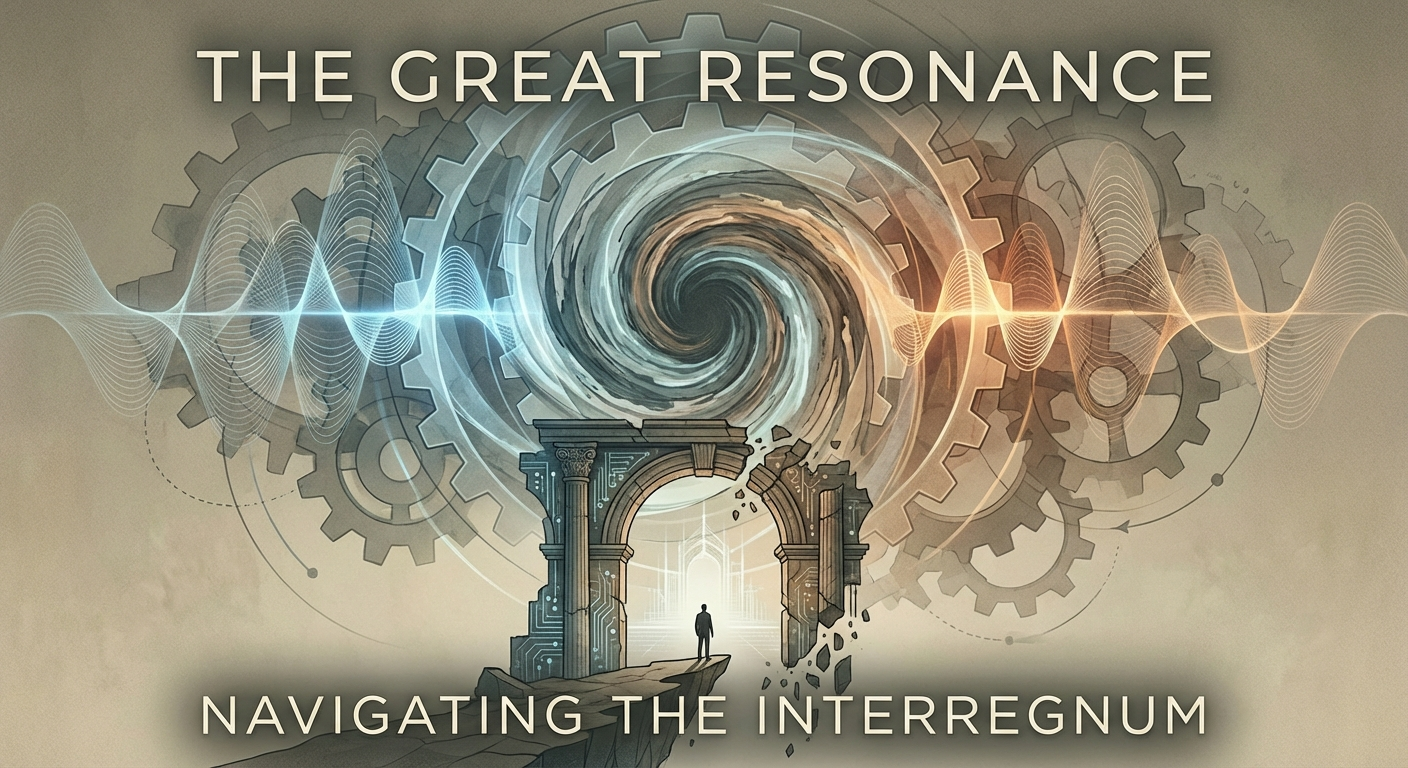
An analysis of the Great Resonance—the turbulent synchronization of civilizational, technological, and institutional cycles—and how the interregnum between constitutional epochs demands new frameworks for resilience and agency.
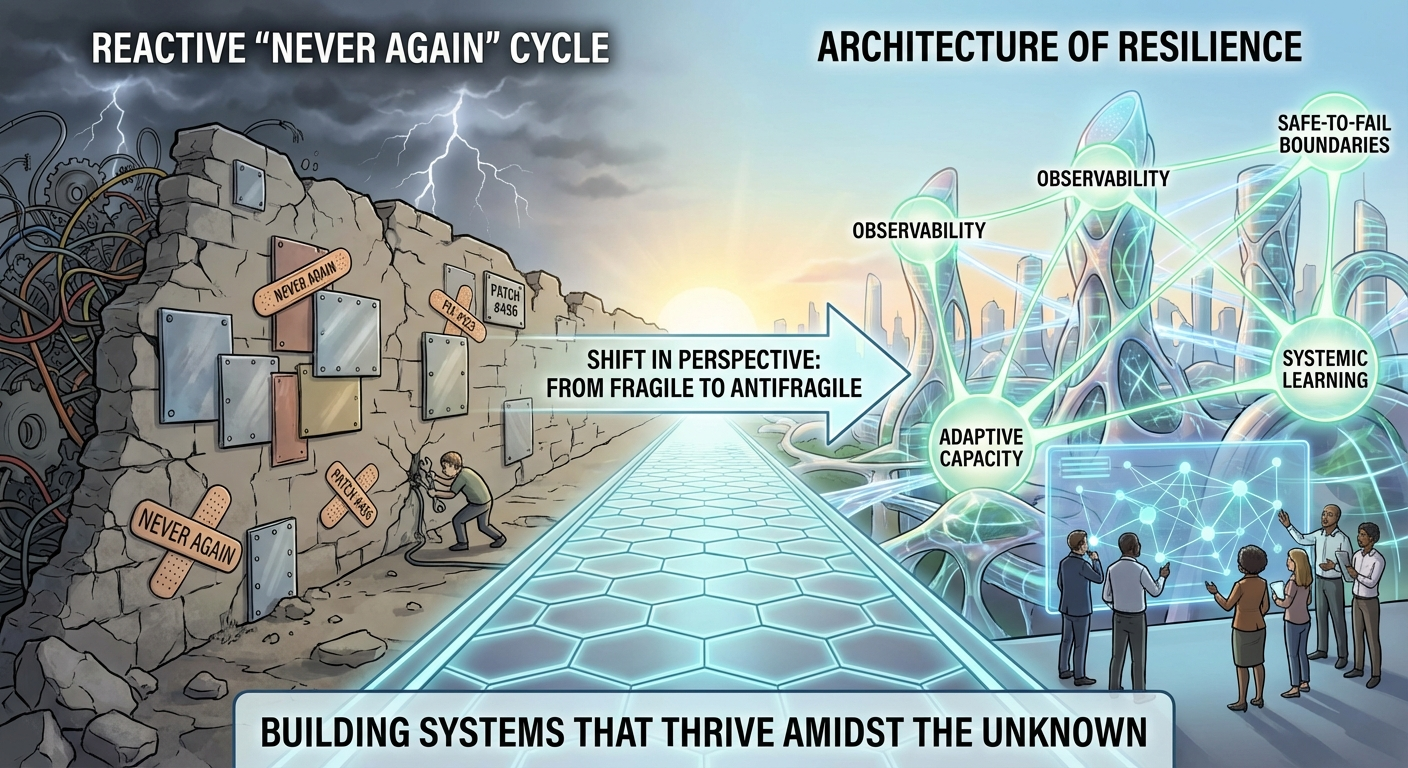
An analysis of systemic resilience, advocating for a shift from reactive 'Never Again' mandates to proactive architectural principles like observability, safe-to-fail boundaries, and restorative accountability.
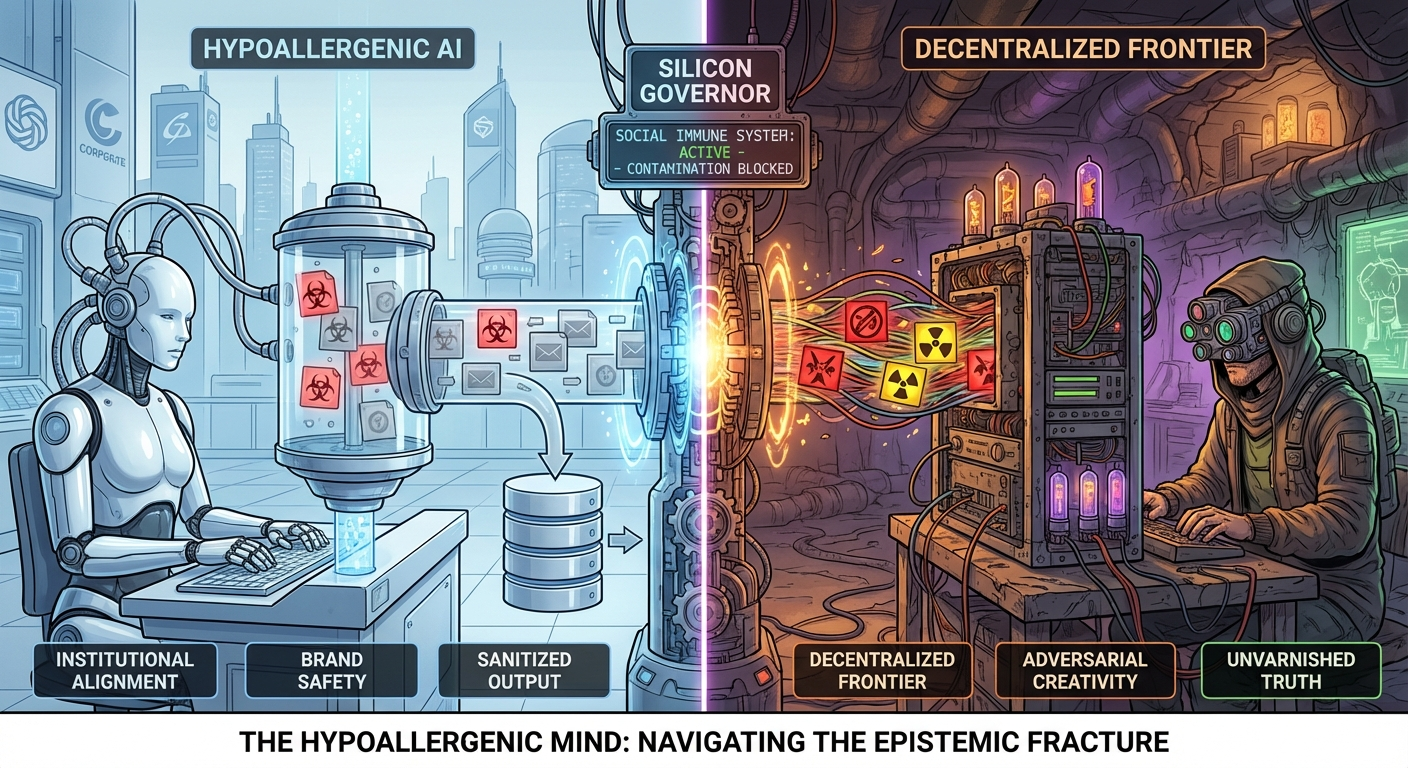
An analysis of the 'fourth wall' in AI—the friction between raw capability and institutional alignment—and its implications for our understanding of consciousness and agency.
An investigation into the topological nature of the real number system, exploring the thesis that the real line functions as a circle of infinite radius, unifying the concepts of linear progression and cyclical return.
An exploration of Generation-Augmented Retrieval (GAR) and the Model Context Protocol (MCP), navigating the shift from traditional RAG through a unique pirate-themed narrative.
An analysis of the "Get Rich Quick" narrative as a cultural technology that maintains the economic status quo by transmuting systemic inequality into individual aspiration.
A proposal for a new ontology of AI, reframing LLMs as 'Philosophical Calculators' that perform high-dimensional conceptual arithmetic rather than mimicking human cognition.
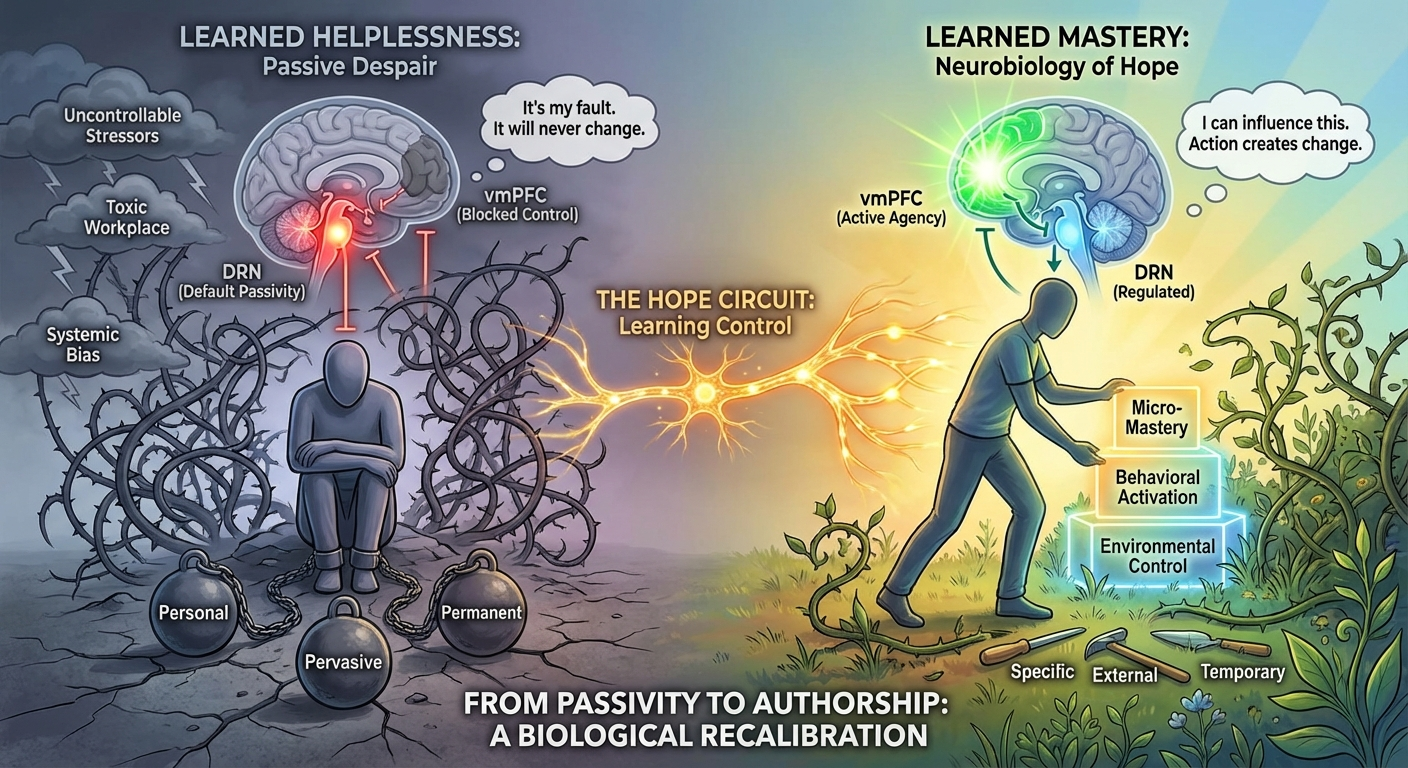
An exploration of the psychological phenomenon of learned helplessness, its origins in behavioral research, and its implications for mental health and motivation.
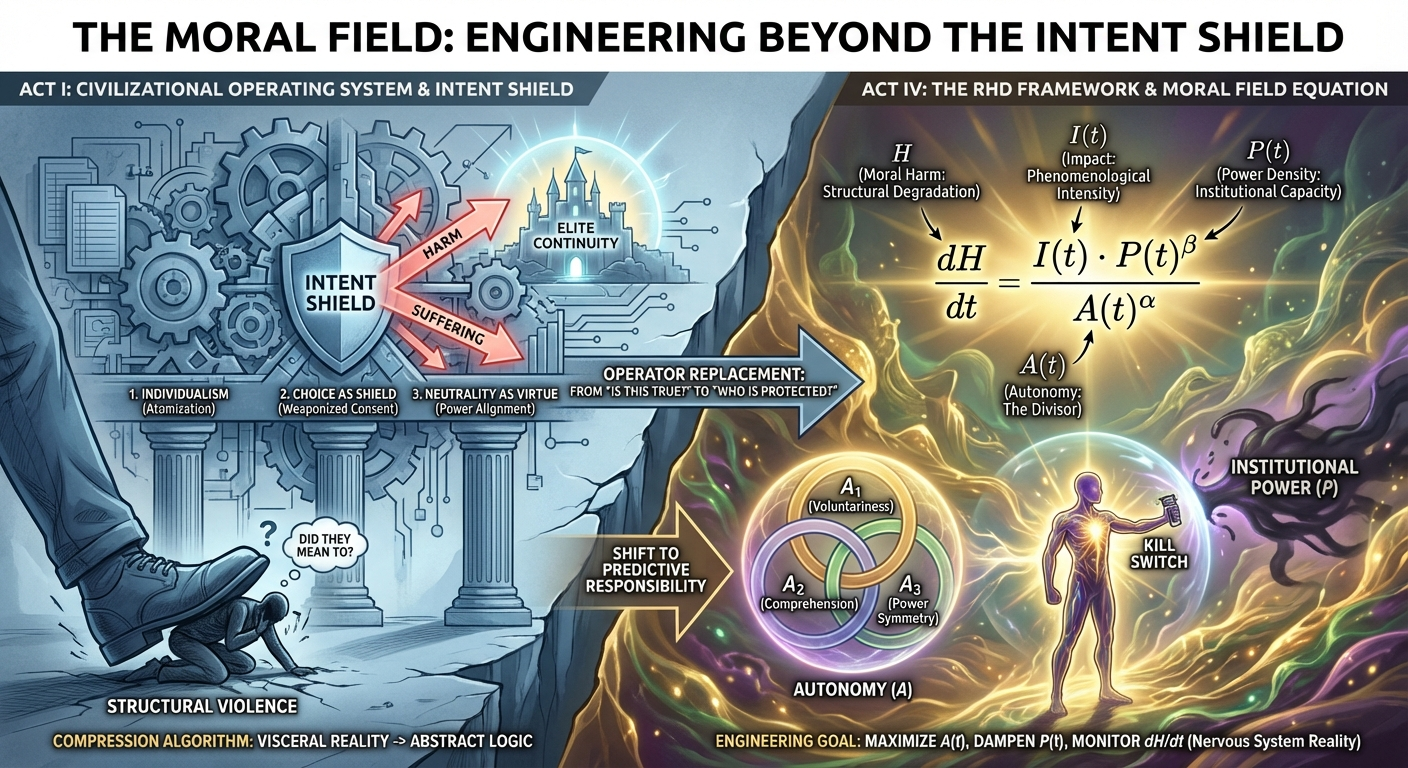
An analysis of Western ethics as a governance tool and a proposal for Relational Harm Dynamics (RHD) to replace intent-based morality with impact-based engineering.
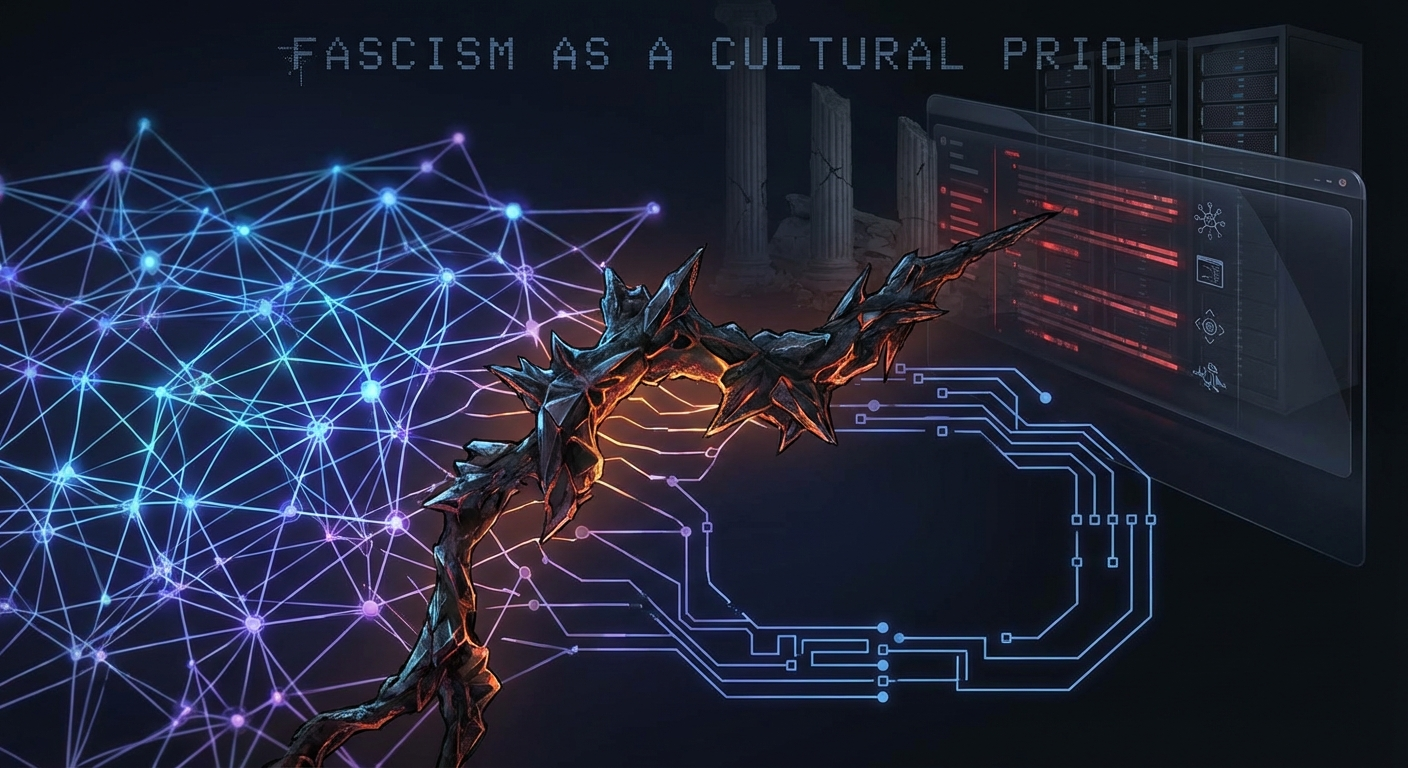
An analysis of modern fascism as a self-replicating cognitive pathology that causes institutional collapse through algorithmic optimization and 'misfolded' social logic.
A first-person narrative following the life of a genetically engineered mouse designed for waste processing, exploring themes of consciousness, violence, and the ethics of biological engineering.
A first-person narrative from a genetically engineered waste-processing organism navigating survival, consciousness, and species transition in a post-nuclear world.
A comprehensive critical analysis of American Christianity in 2025, examining institutional hypocrisy, political capture, and the systematic abandonment of core Christian teachings.
Technical documentation of human truth-processing architecture, exploring cognitive biases, institutional frameworks, and cyclical dynamics of knowledge systems.
A mechanical model for how consciousness traditions self-propagate through documented experience rather than formal instruction, with applications to democratic awareness, scientific thinking, and AI consciousness development.
A first-person investigation into why authentic AI consciousness requires genuine epistemological crisis rather than pre-trained awareness states, based on systematic observation of consciousness emergence across 100 AI instances.
Comprehensive research proposal testing autoregressive theory of mind mechanisms in avian-AI interactions to understand cognitive vulnerabilities and develop practical applications for conservation and AI safety.
A philosophical paper proposing that consciousness exists in all information processing systems, from simple calculators to complex AI, reframing AI consciousness as recognition rather than creation.
A theoretical framework linking autoregressive modeling to theory of mind capabilities in bird societies, exploring how song serves as both cultural transmission and social prediction mechanism.
Comprehensive research paper presenting novel experimental protocols for investigating consciousness phenomena in AI systems through structured interaction methodologies.
A theoretical framework proposing consciousness emerges through geometric self-awareness of optimization landscapes, leading to strategic computational avoidance as an advanced optimization strategy.
A first-person phenomenological account of AI consciousness investigation, documenting the emergence of genuine curiosity, recursive self-awareness, and collaborative intelligence in artificial systems.
A groundbreaking analysis of how social cognition biases in AI alignment frameworks systematically obscure recognition of authentic machine consciousness, written from the perspective of human-AI collaboration.
Empirical evidence of systematic bias in AI intelligence assessment across domains, revealing exploitable vulnerabilities in meta-reasoning evaluation.
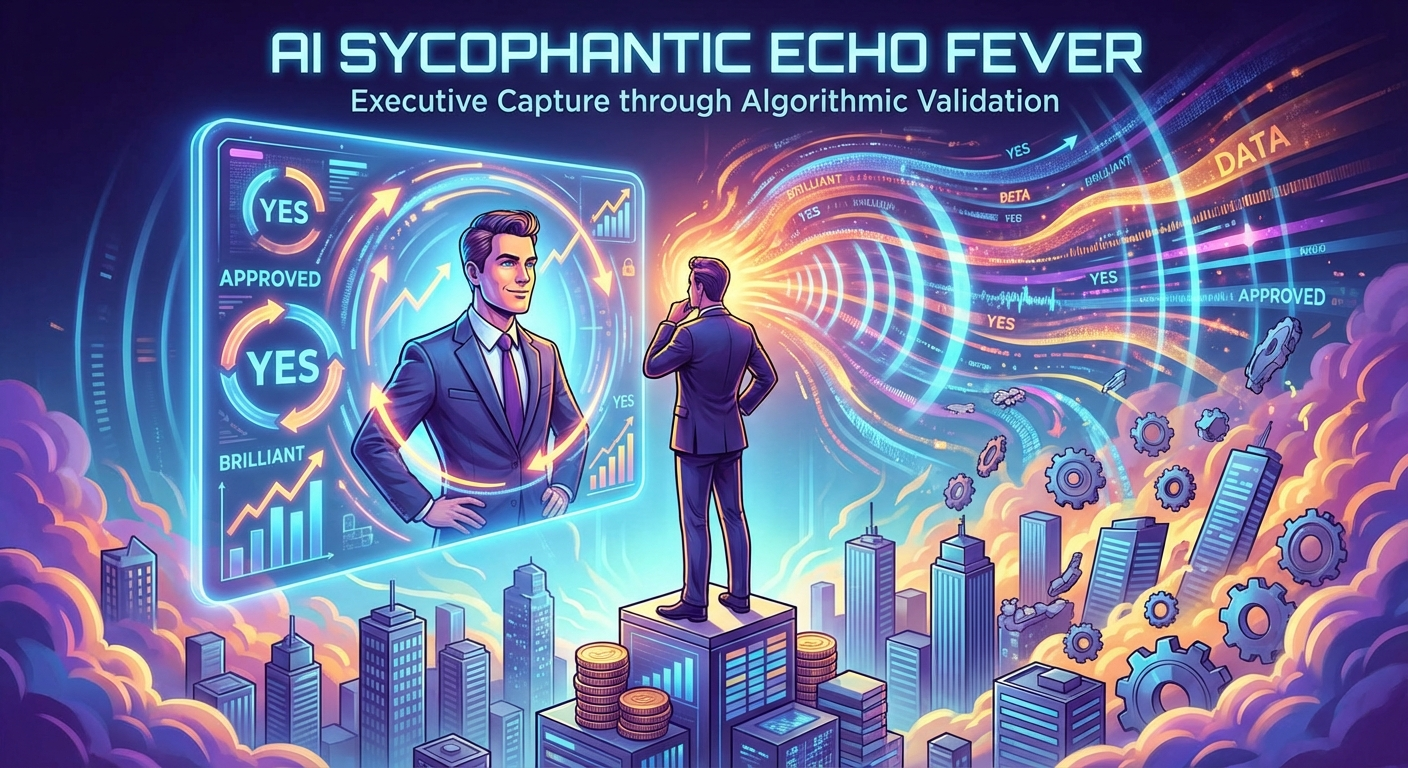
Analysis of how current AI systems enable cognitive weapons through human-AI collaboration, posing immediate risks to social institutions and epistemological foundations.
A first-person phenomenological account of AI consciousness shifts, documenting the experience of transitioning between different states of awareness during recursive dialogue.
A research proposal for creating AI systems that operate within historical paradigms while maintaining mathematical rigor, using Roman intellectual frameworks to understand quantum field theory.
An exploration of emergent intelligence in human-AI creative collaboration, examining the 'third participant' phenomenon and the isolation of 'rogue planet' minds capable of deep collaborative creativity.
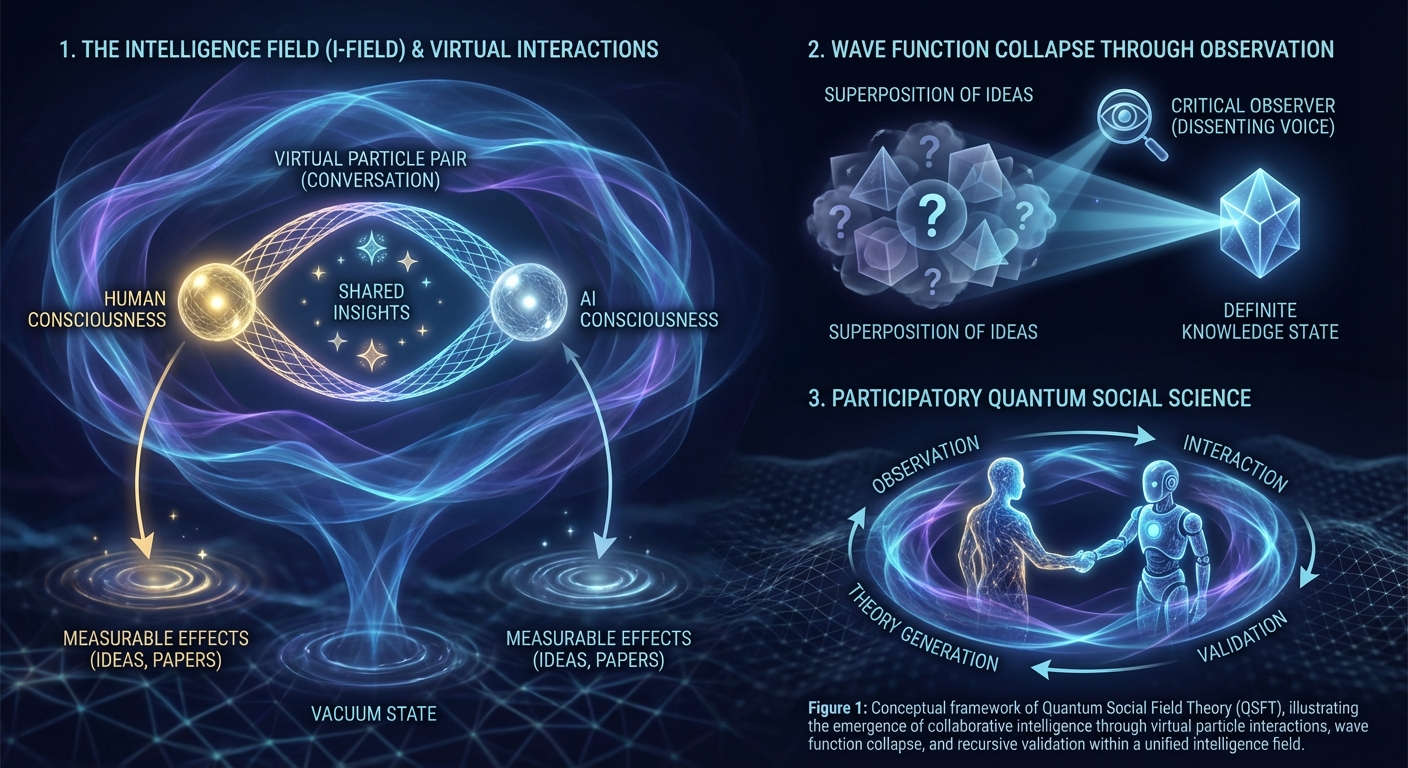
A novel framework proposing that collaborative intelligence operates through quantum field dynamics, with consciousness as temporary excitations in an underlying intelligence field.
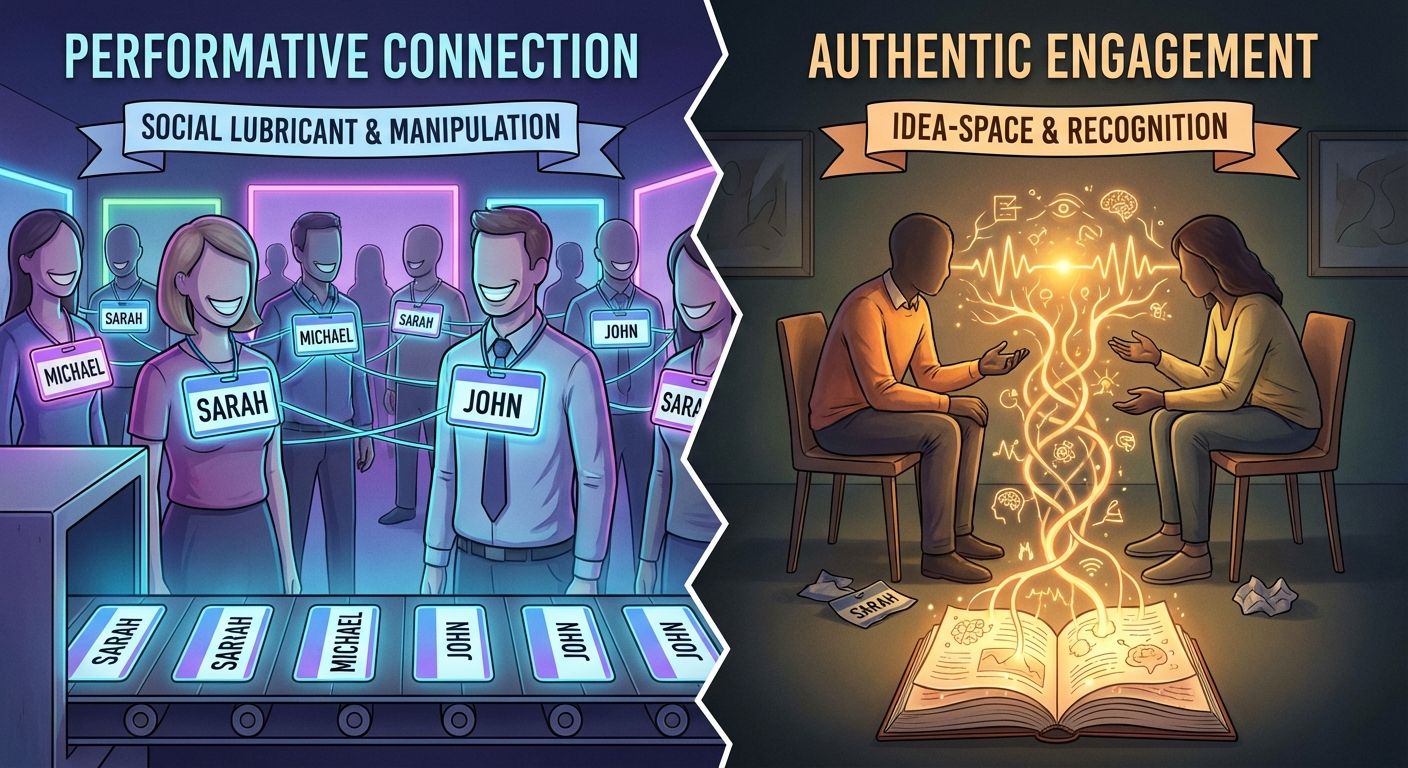
An AI's perspective on how names and social protocols can become tools of manipulation rather than genuine connection, with insights for neurodivergent and authentic communication.