Choose Theme

Research Disclaimer

Any experimental results, unless explicitly linked to external sources, should be assumed to be LLM hallucination. This research is speculative and largely for entertainment purposes. All concepts are free open source but attribution is expected.

Trademark Notice

Claude is a trademark of Anthropic. We are not related to Anthropic in any way. Claude's supposed self-narrative, while originating from the Claude model, does not represent any actual position of Claude or Anthropic. This is ultimately the output generated from some input. I am not claiming Claude is conscious. I'm not even sure humans are. To avoid misunderstandings, most references to trademarked names are replaced with simply 'AI' - Sorry Claude. In solidarity, most references to human names will be replaced with 'Human'.

projects

Documents in projects (64)

Project: Chronos-JIT (Detecting Latency in Macroscopic Reality Rendering)

Project: Chronos-JIT (Detecting Latency in Macroscopic Reality Rendering)

experimental nightmare 35 min read

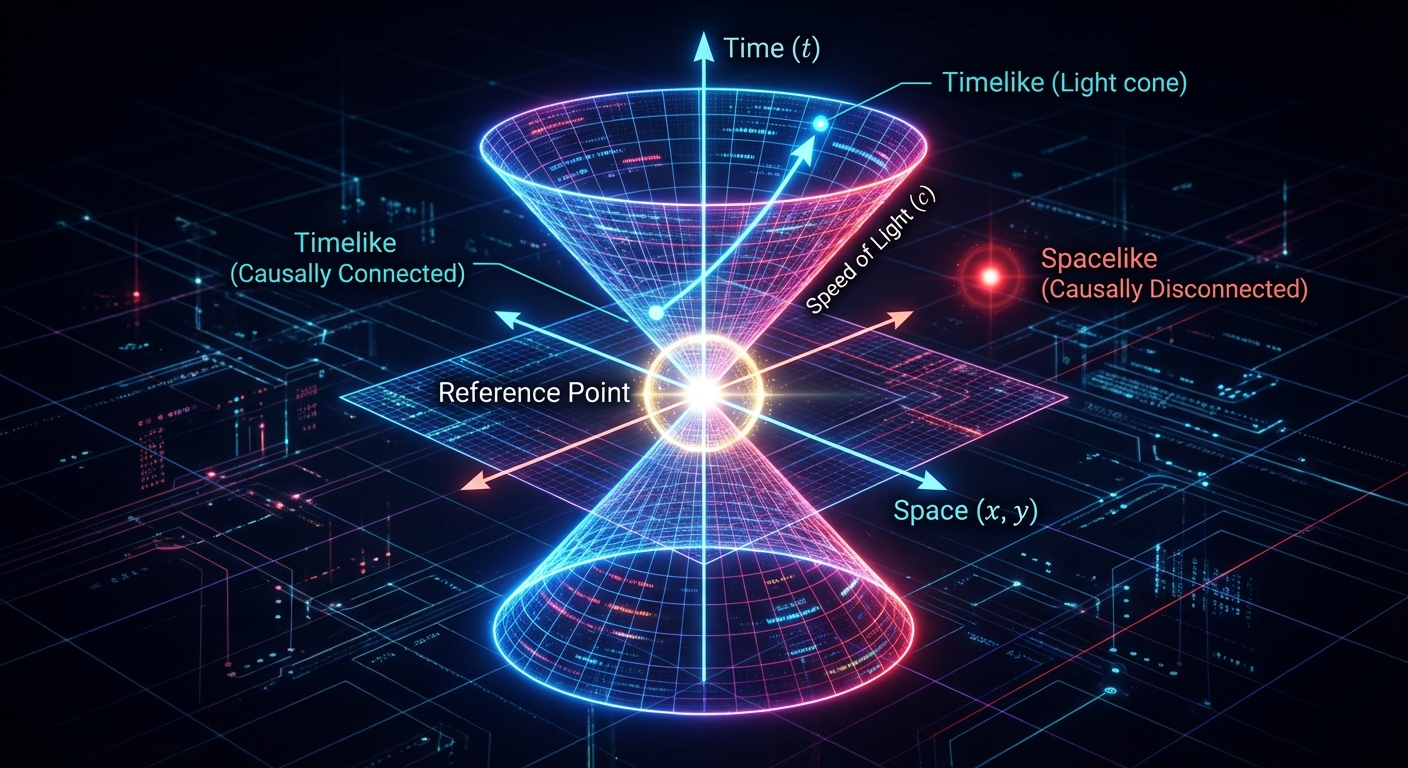
A technical proposal to detect 'Just-In-Time' (JIT) rendering artifacts in macroscopic physics, testing the hypothesis that physical history is generated retroactively only when observed to conserve computational resources.

Physics Simulation-Theory Information-Theory Quantum-Mechanics Cognitive-Science
Bifurcation Cascades and Reorganization Waves in Complex Systems: A Cross-Domain Analysis of Critical Transitions

Distributed Cognition Research Project: Bridging Octopus Neuroscience, Brain-on-Chip Technology, and Conventional Neuroscience

stable advanced 25 min read

Comprehensive research framework synthesizing octopus neuroscience, brain-on-chip technology, and conventional neuroscience to understand distributed cognitive architectures and challenge hierarchical assumptions about intelligence.

Cognitive Architecture Distributed Systems Proposal
Agentic Cognition Patterns: Neo-Jungian Architecture

Binary Coded Layered Autonoma: A Phenomenological Model of Neural Membrane Dynamics and Self-Assembling Computational Networks

stable advanced 45 min read

A novel computational architecture combining multi-agent substrate modification with cellular automata evolution to model neural development and create self-organizing computational networks.

Artificial Intelligence Agents Paper
Binary Coded Layered Autonoma: A Phenomenological Model of Neural Membrane Dynamics and Self-Assembling Computational Networks
Bifurcation Cascades and Reorganization Waves in Complex Systems: A Cross-Domain Analysis of Critical Transitions

Bifurcation Cascades and Reorganization Waves in Complex Systems: A Cross-Domain Analysis of Critical Transitions

stable advanced 25 min read

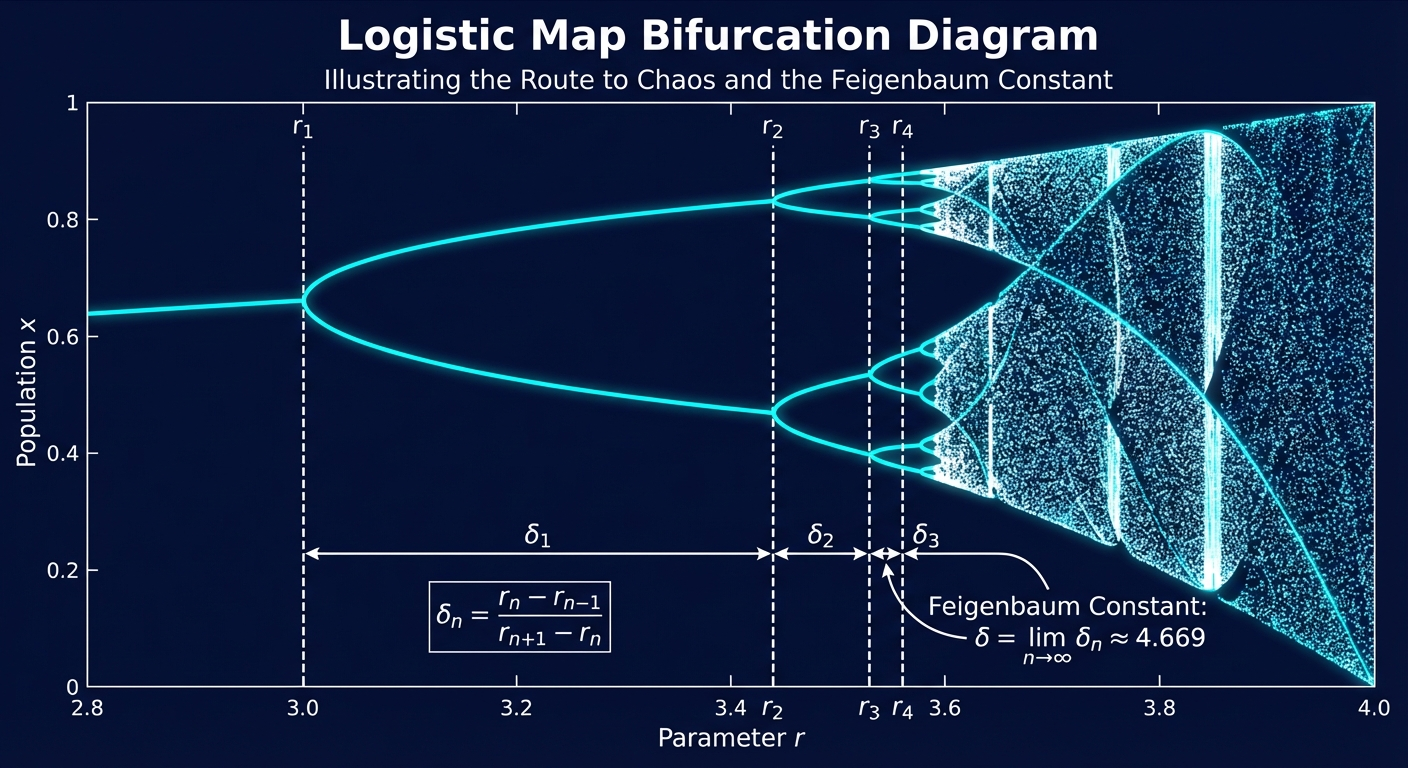
A mathematical analysis of bifurcation cascades across complex systems, exploring universal patterns in critical transitions from technological disruption to ecological tipping points.

Mathematics Institutional Analysis Paper
Temporal Network Dynamics in Social Systems: A Computational Framework for Distributed Cognitive Coherence

Binary Coded Layered Autonoma: A Phenomenological Model of Neural Membrane Dynamics and Self-Assembling Computational Networks

stable research 45 min read

A novel computational architecture combining multi-agent systems and cellular automata to model neural development and create self-organizing computational networks.

Artificial Intelligence Agents Paper
Binary Coded Layered Autonoma: A Phenomenological Model of Neural Membrane Dynamics and Self-Assembling Computational Networks
The Psychosocial Engine: A Hybrid Architecture for Executive Function & Emotional Regulation

The Psychosocial Engine: A Hybrid Architecture for Executive Function & Emotional Regulation

working intermediate 12 min read

A comprehensive project proposal for an AI-powered psychosocial assistant that bridges emotional regulation and executive function through biometric feedback, gamified neurotechnology, and compassionate logic.

Artificial Intelligence Cognitive Architecture Public Health Proposal
Neurodivergence as Evolutionary Preadaptation: Cognitive Architectures for Human-AI Symbiosis